
Secured vs Unsecured Debt Consolidation: Which Loan Type Makes More Sense?
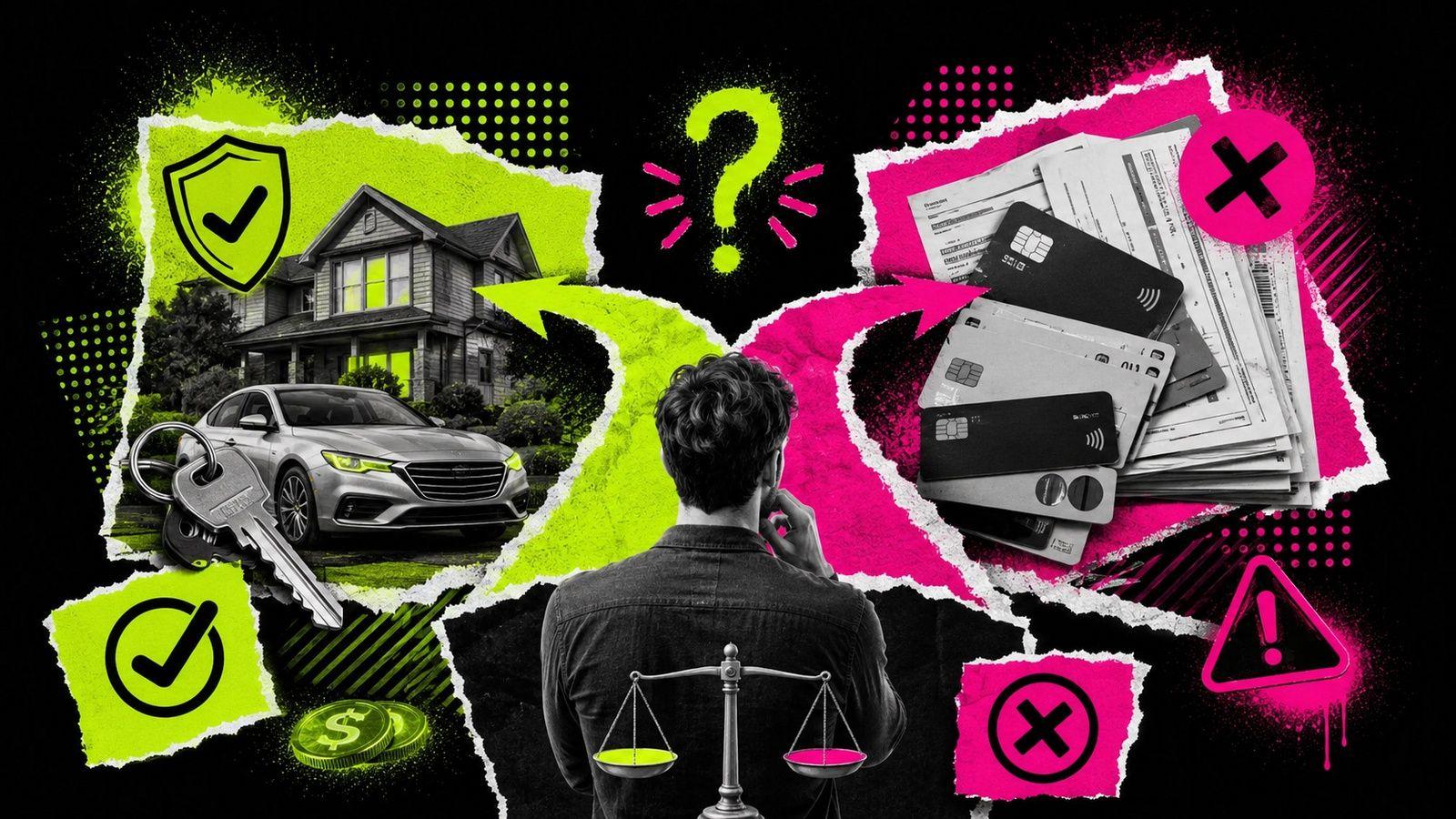
Debt consolidation has one basic promise: replace several payments with one clearer repayment plan. The harder decision is whether that plan should use collateral.
A secured debt consolidation loan uses an asset to back the loan. That asset might be a home, car, savings account, or certificate of deposit. If payments fail, the lender has a claim against the collateral. An unsecured debt consolidation loan does not require collateral. The lender approves the loan based on credit profile, income, debt-to-income ratio, payment history, and overall ability to repay. That difference changes everything. It affects approval odds, interest rates, loan limits, speed, risk, and peace of mind. A lower rate looks attractive until the borrower understands what sits behind it. Secured debt can lower lender risk while raising borrower risk.
This guide compares secured debt consolidation loans and unsecured debt consolidation loans in plain terms. It explains when collateral helps, when it becomes dangerous, and how to choose a loan that moves debt toward zero without creating a larger problem.
What Is Secured Debt Consolidation?
Secured debt consolidation uses collateral to support a new loan. The borrower uses loan proceeds to pay off existing debts, then repays the secured loan under the new terms. A secured loan for debt consolidation can take several forms. A home equity loan uses home equity. A HELOC uses home equity through a revolving line of credit. A secured personal loan may use a car, savings account, or another approved asset.
The main appeal is access. Collateral lowers risk for the lender. That can help borrowers qualify for a larger amount, a lower APR, or longer repayment terms than an unsecured loan would offer. The cost is a risk. If the borrower does not pay, the lender can pursue the collateral under the loan agreement. With a home equity product, that risk can include foreclosure. With a vehicle-backed loan, it can include repossession.
A secured debt consolidation loan works best when the borrower has stable income, a clear payoff plan, and strong confidence that the payment will fit the budget for the full term.
What Is Unsecured Debt Consolidation?
Unsecured debt consolidation uses no collateral. The borrower receives an unsecured loan for debt consolidation, pays off selected debts, and repays the new loan through fixed monthly payments.
Most unsecured loans for debt consolidation are personal loans. They often have fixed rates, fixed payments, and fixed repayment terms. The borrower does not pledge a house, car, or savings account. That makes the loan simpler from a risk standpoint. If payments fail, the borrower still faces serious consequences. Late payments, credit damage, collection activity, fees, and lawsuits can happen. But the lender does not have a direct claim to a specific asset through collateral.
The tradeoff is pricing. Because the lender takes more risk, unsecured debt consolidation loans often require stronger credit and income for the best rates. Borrowers with weak credit may receive high APRs or smaller loan offers. A debt consolidation loan without collateral works best when the borrower qualifies for a rate that beats current debt and wants to avoid putting essential assets at risk.
The Core Difference: Who Carries the Risk?
Secured and unsecured consolidation both shift old debts into a new structure. The real difference is where the risk goes. With a secured loan, the lender has a backup source of repayment. That backup is the borrower's asset. The lender may offer better terms because collateral reduces its exposure. With an unsecured loan, the lender relies on the borrower's promise and credit strength. The borrower keeps assets outside the loan agreement. The lender compensates through stricter approval standards, higher rates, or lower limits. This is why the lowest APR is not always the safest choice. A secured loan at 9% can be cheaper than an unsecured loan at 15%. But if the secured loan uses the home as collateral, the borrower has traded unsecured credit card debt for home-secured debt. That trade can make sense. It can also create a larger financial hazard.
Expert Tip
"When reviewing consolidation offers, I do not start with the rate. I start with the consequence of default. A lower payment matters, but the real question is what the borrower loses if life goes sideways for three months."
Secured Debt Consolidation Loan: Advantages
The first advantage is approval access. Borrowers who do not qualify for a strong unsecured offer may receive better terms with collateral. The asset gives the lender more confidence.
The second advantage is loan size. Secured loans can support larger balances, especially when the collateral has meaningful value. Home equity products often fund larger consolidation plans than unsecured personal loans.
The third advantage is potential rate savings. A secured debt consolidation loan may carry a lower APR because the lender has collateral. That can reduce interest cost when the borrower pays on schedule.
The fourth advantage is term flexibility. Some secured products offer longer repayment terms. That can lower the monthly payment and help cash flow.
These benefits are real. They matter for borrowers with high-interest credit card debt and stable repayment capacity. But each benefit needs to be tested against total cost and collateral risk. A lower monthly payment created by a longer term can cost more over time. A lower rate secured by a home can expose the home to debt that was previously unsecured.
Unsecured Debt Consolidation Loan: Advantages
The main advantage of an unsecured debt consolidation loan is that it does not require collateral. The borrower does not pledge a home, vehicle, or savings account to pay off credit cards. That structure protects essential assets from direct collateral claims. It also keeps the loan simpler. There is usually no appraisal, title review, lien filing, or collateral valuation for a standard unsecured personal loan.
Speed is another advantage. Many unsecured loans for debt consolidation fund faster than home equity products. That helps when credit card interest accrues daily or when a borrower wants to simplify payments quickly.
Fixed payments also help. Many unsecured personal loans have fixed APRs and fixed terms. The borrower knows the payment and payoff date from the start.
An unsecured loan for debt consolidation can also improve credit utilization when it pays down credit card balances. The benefit depends on payment history, account age, new inquiries, and whether the borrower avoids new card balances.
Debt Consolidation Without Collateral: When It Fits
Debt consolidation without collateral fits borrowers who qualify for a fair rate and want to avoid secured-risk tradeoffs. This path works well when the existing debt is unsecured, such as credit cards, medical bills, or personal loans. Keeping the new loan unsecured avoids turning old consumer debt into debt backed by a home or car.
It also fits borrowers who value a clean payoff timeline. A fixed-rate personal loan can create one payment and one payoff date. That structure is often stronger than revolving credit. A debt consolidation loan without collateral is often the better first option when the borrower has fair-to-good credit, steady income, and a manageable debt amount.
It may not fit borrowers who need a large loan, have poor credit, or need a much lower payment than unsecured terms allow. In those cases, secured options may appear. They deserve careful review, not automatic rejection.
When a Secured Loan for Debt Consolidation Makes Sense
A secured loan for debt consolidation can make sense when the borrower has valuable collateral and stable income. It also helps when the secured offer provides clear savings compared with unsecured options. Home equity is the most common example. A homeowner with high-interest card debt may use a home equity loan to replace several cards with one fixed payment. That can lower interest costs. It can also make budgeting easier.
A savings-secured loan can also fit some borrowers. The borrower pledges savings or a certificate of deposit while keeping the funds in place. The rate may be lower because the lender has cash collateral. This can help build credit and avoid selling assets. A secured vehicle loan for consolidation needs caution. A car is often essential for work. Putting it at risk to pay credit cards can create a fragile situation.
The secured path makes sense only when the borrower can answer three questions clearly: What asset is at risk? What is the total cost? What prevents new unsecured balances from returning?
When an Unsecured Loan for Debt Consolidation Makes Sense
An unsecured loan for debt consolidation makes sense when the borrower qualifies for a lower rate than their current debts and wants to keep assets out of the agreement. This option often fits credit card consolidation. Credit cards can carry high variable APRs. A fixed unsecured personal loan can provide a lower rate and a clear payoff schedule. It also fits renters who do not have home equity. It fits homeowners who have equity but do not want to attach credit card debt to the house.
The best unsecured offer has a lower APR than the current blended rate, a payment that fits monthly cash flow, limited fees, and no prepayment penalty. Direct pay to creditors can add discipline because funds go straight to the old accounts. This option is weaker when the APR is too high or the loan term stretches the debt too long. A borrower should compare the total repayment cost, not just the payment.
How Credit Score Affects the Choice
Credit score plays a larger role in unsecured consolidation because no asset backs the loan. Strong credit usually unlocks lower APRs, higher limits, and better lender choices. Secured loans can be more accessible for borrowers with weaker credit, but collateral does not erase underwriting. Lenders still review income, existing debt, payment history, and asset value.
A borrower with excellent credit may find that an unsecured loan offers enough savings without collateral. A borrower with damaged credit may see only expensive unsecured offers. That is where a secured option may look attractive. The credit score question should lead to comparison shopping, not desperation. A high APR unsecured offer is not automatically better because it avoids collateral. A secured offer is not automatically better because the rate is lower. The right comparison includes APR, fees, term, payment, collateral, and default consequences.
How to Compare Offers
A borrower should compare secured and unsecured offers using the same numbers. The product type matters, but the math should stay consistent.
Use this checklist before signing:
- APR, not only the interest rate
- Origination fees, closing costs, appraisal fees, and annual fees
- Monthly payment and full repayment term
- Total dollars paid until the debt reaches zero
- Collateral required and what happens after default
- Whether the lender pays creditors directly
- Prepayment rules
- How paid-off credit cards will be handled
This checklist prevents a common mistake. Borrowers often choose the payment that feels easiest this month. That payment may come from a longer term, higher total interest, or collateral risk.
A good consolidation offer should make repayment clearer. It should not hide risk behind one smaller bill.
Common Mistakes to Avoid
The first mistake is choosing secured debt only because the payment is lower. A lower payment often comes from a longer term or collateral.
The second mistake is ignoring the old credit cards after payoff. Consolidation fails when paid-off cards turn into new balances.
The third mistake is borrowing more than needed. Extra cash increases the payment and weakens the plan.
The fourth mistake is overlooking fees. Fees can erase rate savings, especially on smaller balances.
The fifth mistake is confusing debt consolidation with debt settlement. Consolidation repays debt under new terms. Settlement tries to pay less than owed and can damage credit. The CFPB warns that some companies advertising consolidation are actually selling debt settlement programs. The FTC also restricts many debt relief companies from charging upfront fees before resolving debts.
Final Takeaway
Secured vs unsecured debt consolidation is not only a rate comparison. It is a risk comparison.
A secured debt consolidation loan can lower costs and improve approval odds, but it puts an asset behind the debt. An unsecured debt consolidation loan can simplify repayment without collateral, but approval and pricing depend more heavily on credit and income.
Debt consolidation without collateral is often the cleaner first choice when the borrower qualifies for reasonable terms. A secured loan can work when the savings justify the risk, and the borrower has a stable repayment plan.
The right loan should do three things. It should lower the total cost or create a clearer payoff path. It should fit the monthly budget without stretching debt unnecessarily. It should reduce risk rather than move it from one place to a more dangerous one.
Frequently Asked Questions
What is a secured debt consolidation loan?
A secured debt consolidation loan uses collateral, such as a home, car, savings account, or certificate of deposit. The borrower uses the loan to pay off existing debts, then repays the secured loan. If payments fail, the lender can pursue the collateral.
What is an unsecured debt consolidation loan?
An unsecured debt consolidation loan does not require collateral. Approval depends on credit score, income, debt-to-income ratio, payment history, and lender standards.
Are unsecured loans for debt consolidation better than secured loans?
Unsecured loans for debt consolidation are often better when the borrower qualifies for a fair APR and wants to avoid risking a home, car, or savings. Secured loans may offer lower rates, but collateral increases the consequences of default.
Can I get a debt consolidation loan without collateral?
Yes. Many personal loans are unsecured and can be used for debt consolidation without collateral. Approval and APR depend on credit profile, income, and existing debt.
Is a secured loan for debt consolidation risky?
Yes. A secured loan for debt consolidation can reduce interest costs, but the pledged asset is at risk if payments fail. That risk should be weighed against the savings before signing.

Denis Goncharenko
Denis is a seasoned financial journalist and content strategist with over 15 years of experience driving editorial excellence in high-stakes digital media. Specializing at the intersection of traditional finance and emerging technologies, he has spent the last 8+ years as the Managing Editor for Cryptonews.net, overseeing market analysis, regulatory breakdowns, and institutional tech trends. Recognized by global Web3 and fintech leaders for his rigorous fact-checking and editorial standards, Denis excels at translating complex financial data, decentralized finance (DeFi) frameworks, and digital asset market dynamics into high-trust, authoritative content. His deep expertise in tech-driven financial ecosystems makes him a key voice in navigating YMYL (Your Money or Your Life) content strategy and maintaining strict editorial integrity. Core Competencies: FinTech Journalism, Digital Asset Markets, DeFi & Web3 Analytics, Financial Technology Trends, FinTech Regulation & Compliance. Editorial & E-E-A-T Strategy: YMYL Content Strategy, Financial Fact-Checking, Editorial Management, Data-Driven Content Architecture, Risk-Mitigated Copywriting.
To author